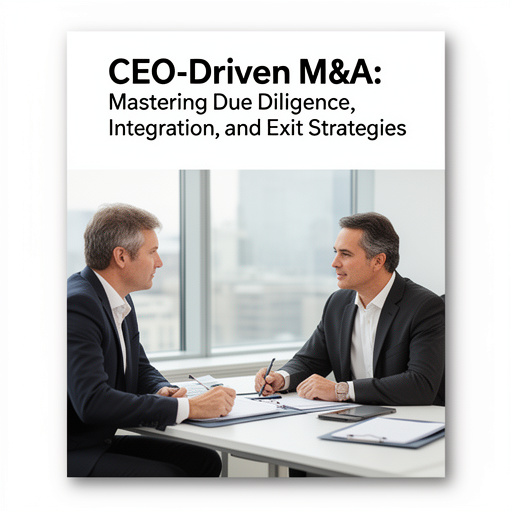
CEO Thought Leadership & Strategic M&A Success:
CEOs drive mergers and acquisitions (M&A) success through visionary strategies, engaging stakeholders, and leveraging due diligence for risk reduction and value creation. Post-merger integration, data-driven decision-making, and strategic planning optimize enterprise value and market position. CEO thought leadership positions firms for sustainable growth, adaptability, and long-term success in dynamic markets.
- Strategic M&A Planning: CEO-Driven Vision
- Due Diligence Mastery: Uncovering Value Drivers
- Post-Merger Integration: Seamless Transition Strategies
- Leveraging Data for M&A Success: Insights from Top CEO
- Building Acquisitive Culture: Preparing for Growth
- Exit Strategy Optimization: Maximizing Return on Investment
Strategic M&A Planning: CEO-Driven Vision

In today’s dynamic business landscape, successful mergers and acquisitions (M&A) are not merely transactions but strategic moves that shape corporate futures. Strategic M&A Planning: CEO-Driven Vision is a foundational aspect of this process, where executive leadership, particularly CEOs, play a pivotal role in positioning their organizations for sustained growth and market advantage. This enterprise solution delves into the critical elements of crafting a visionary M&A strategy, leveraging the CEO’s thought leadership to navigate complexities and capitalize on opportunities.
CEO Thought Leadership Positioning:
CEOs serve as the face and voice of their companies, embodying the brand’s mission and vision. In M&A scenarios, this translates into a powerful ability to articulate strategic justifications, engage stakeholders, and inspire confidence among employees and investors. By integrating CEO thought leadership naturally into planning and execution, organizations gain a competitive edge, fostering alignment and commitment across all levels.
Enterprise Solutions:
1. Strategic Vision Formulation: CEOs drive the development of a compelling, long-term vision that transcends immediate financial gains. This visionary approach ensures M&A decisions align with the company’s overarching goals, fostering synergies and creating value beyond acquisition costs.
2. Brand Messaging Integration: Effective communication is key to successful M&A. CEOs can spearhead the creation of cohesive brand messaging that emphasizes the strategic rationale and benefits for all stakeholders. FlowBelow fleet leadership, for instance, can be framed as a means to enhance operational efficiency, reduce environmental impact, and deliver superior customer experiences—all aligned with the CEO’s vision.
3. Stakeholder Engagement: CEO involvement facilitates direct engagement with key stakeholders, including employees, board members, and investors. This personalized approach builds trust, mitigates resistance, and ensures buy-in from those whose support is vital to post-merger integration and success.
Business Benefits:
– Enhanced Brand Reputation: A CEO-driven M&A strategy underscores the organization’s commitment to strategic growth, bolstering its reputation as a forward-thinking industry leader.
– Improved Operational Efficiency: By focusing on FlowBelow fleet leadership, CEOs can drive operational improvements that lead to cost savings and increased productivity, ultimately enhancing overall organizational efficiency.
– Synergy Creation: When M&A decisions are guided by a CEO’s visionary perspective, synergies emerge from aligned objectives, culture, and values. This leads to better resource utilization, shared learning, and innovative solutions.
Strategic Insights:
In the realm of M&A, CEOs who adopt a thought leadership position not only navigate complex negotiations but also shape the future trajectory of their companies. By integrating brand messaging for CEOs into strategic planning, organizations can create a cohesive narrative that resonates with all stakeholders, ensuring M&A activities are perceived as integral to the company’s ongoing success rather than isolated events. This approach fosters a culture of innovation and adaptability, crucial for thriving in an ever-evolving business environment.
Due Diligence Mastery: Uncovering Value Drivers

Due Diligence Mastery: Uncovering Value Drivers
In the dynamic world of mergers and acquisitions (M&A), due diligence is more than just a checklist. It’s a strategic imperative that distinguishes successful leaders from their peers. As CEOs navigate increasingly complex and globalized markets, mastering due diligence becomes a competitive advantage, enabling them to identify hidden opportunities, mitigate risks, and secure sustainable value for their organizations.
From Data to Insight:
Effective due diligence transcends surface-level data gathering. It’s a holistic process that integrates quantitative analysis with qualitative insights. Thought leadership from seasoned executives guides this transformation, encouraging a culture of inquisitiveness and critical thinking. By delving beyond the numbers, leaders uncover the intangible factors—market trends, customer sentiment, competitive landscapes—that shape a company’s true potential.
Building a Foundation of Trust:
Reputation management plays a crucial role in successful M&A. A CEO’s thought leadership positioning is essential in building and maintaining trust among stakeholders. Transparency, ethical conduct, and clear communication during due diligence foster a collaborative environment, encouraging open dialogue and fostering long-term partnerships. Global business leadership, characterized by cultural sensitivity and a deep understanding of international markets, is increasingly vital as companies expand their horizons.
Strategic Value Creation:
Due diligence is not simply a post-acquisition ritual; it’s an ongoing process that guides strategic decision-making. CEOs who master due diligence develop a keen eye for identifying value drivers—the unique attributes and capabilities that propel a company forward. This involves understanding market dynamics, recognizing synergies, and anticipating future trends. By integrating this insights into their strategic vision, leaders can position their organizations for continued success and growth.
Thought Leadership Event Invites:
Engaging in thought leadership events, such as industry conferences and roundtables, allows CEOs to share their expertise, learn from peers, and benchmark their due diligence practices. These platforms facilitate knowledge exchange, foster innovation, and strengthen professional networks. Inviting industry leaders to share their perspectives broadens the understanding of best practices, driving continuous improvement within the organization.
Global Perspectives for Local Success:
In a truly globalized economy, understanding international markets and cultural nuances is paramount. CEOs who embrace global business leadership incorporate diverse perspectives into their due diligence approach. This includes leveraging local market expertise, adapting strategies to regional preferences, and fostering inclusive practices that respect and valorize diverse cultures. This holistic view ensures that acquisitions are not just transactions but catalysts for sustainable, locally relevant growth.
Benefits Beyond the Balance Sheet:
Mastering due diligence delivers tangible and intangible benefits. It:
Reduces Risk: Identifies potential red flags and mitigates financial and reputational exposure.
Unlocks Value: Uncovers hidden assets, market opportunities, and synergies, maximizing return on investment.
Fosters Strategic Alignment: Ensures acquired companies align with the acquiring organization’s vision and goals.
Builds Strong Partnerships: Cultivates trust and collaboration between companies, leading to long-term success.
Enhances Reputation: Demonstrates ethical leadership, market expertise, and a commitment to transparency.
Post-Merger Integration: Seamless Transition Strategies
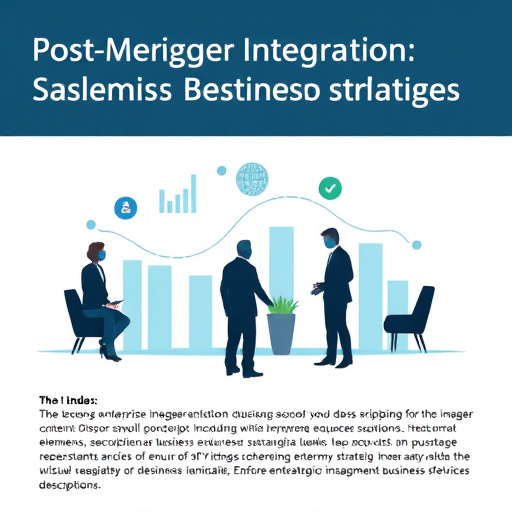
Post-Merger Integration: Seamless Transition Strategies
Post-merger integration is a critical phase that determines the long-term success of any M&A transaction. A CEO with strong leadership capabilities plays a pivotal role in ensuring a smooth transition, fostering organizational alignment, and maximizing the strategic benefits of the merger. This section delves into effective strategies for post-merger integration, highlighting key considerations from CEO thought leadership perspectives.
Enterprise Solutions:
1. Develop a Comprehensive Integration Plan: A well-defined roadmap outlining goals, timelines, and responsibilities is essential. Involve key stakeholders from both organizations early in the process to build buy-in and encourage collaboration.
2. Cultivate Cultural Alignment: Identify potential cultural clashes and address them proactively. Promote understanding and appreciation of diverse work styles through open communication, cross-functional team building activities, and transparent dialogue about expectations.
3. Optimize Resource Allocation: Streamline processes and identify opportunities for synergies. Evaluate redundancies and inefficiencies within integrated operations to enhance productivity and drive cost savings.
Business Benefits:
Enhanced Operational Efficiency: By rationalizing processes and leveraging combined resources, organizations achieve greater operational scale and agility.
Increased Market Share and Competitive Advantage: Integrated entities can capitalize on expanded customer bases, diversified product offerings, and enhanced market presence.
Improved Financial Performance: Synergies stemming from cost savings, revenue growth opportunities, and optimized resource allocation translate into improved profitability.
Stronger Talent Pool: Attracting and retaining top talent across a larger, more diverse organization becomes easier through broader career opportunities and increased stability.
Strategic Insights from CEO Thought Leadership:
CEOs bring invaluable experience and strategic acumen to the integration process. Key leadership development areas include:
Embracing Change Management: CEOs must effectively communicate vision, set clear expectations, and provide consistent guidance throughout the integration journey. A transparent and inclusive approach fosters trust and empowers employees to embrace change.
Fostering Collaboration: Breaking down silos between merging entities is crucial. CEOs should encourage cross-functional collaboration, create shared goals, and promote a culture of open communication and knowledge sharing.
Navigating Complexities: CEO taste-test failures can offer valuable lessons. Identifying potential challenges early on, developing contingency plans, and demonstrating resilience in the face of obstacles are essential for navigating integration complexities successfully.
Leadership in Hospitality: A Unique Perspective
The hospitality industry, characterized by its highly customer-centric nature and emphasis on experience, presents unique integration considerations. CEOs in this sector must ensure that post-merger strategies preserve the authentic brand identity while leveraging the combined resources to elevate guest experiences. Balancing legacy values with innovation is key to successful integration within the hospitality space.
Leveraging Data for M&A Success: Insights from Top CEO

In today’s fast-paced and increasingly competitive business landscape, successful mergers and acquisitions (M&A) hinge on more than just strategic planning and financial acumen. Data-driven insights have emerged as a critical differentiator for CEOs looking to navigate complex M&A scenarios with precision and confidence. Leveraging data effectively can transform M&A from a risky endeavor into a powerful engine for growth, market share, and innovation.
Top CEO thought leadership in this domain underscores the importance of viewing data not just as numbers but as a strategic asset that informs decision-making at every stage of an M&A process. By integrating advanced analytics into their leadership development strategies, CEOs can unlock valuable insights that drive successful transactions and foster a culture of continuous improvement within their organizations.
Enterprise Solutions for Data-Driven M&A Success:
1. Comprehensive Data Collection and Integration: CEOs should champion a holistic approach to data gathering, encompassing financial metrics, market trends, competitive intelligence, and customer feedback. Seamless integration of these data sources allows for a comprehensive view of potential acquisition targets, enabling informed decision-making.
2. Advanced Analytics and Predictive Modeling: Utilizing sophisticated analytics tools, CEOs can predict the outcomes of M&A scenarios with greater accuracy. Predictive models can identify synergies, assess cultural fit, and forecast post-merger performance, minimizing risks associated with unfamiliar territories.
3. Real-time Performance Monitoring: Implementing data-driven dashboards and reporting mechanisms provides CEOs with real-time insights into the progress of integrated entities. This enables proactive leadership, allowing for timely course corrections to ensure successful alignment of acquired companies with corporate strategy.
Business Benefits of Data-Centric M&A Leadership:
– Enhanced Deal Selection: Data-driven insights enable CEOs to identify high-potential acquisition targets that align with strategic objectives, minimizing the risk of costly mistakes.
– Improved Cultural Integration: By analyzing organizational culture and employee engagement data, CEOs can anticipate potential challenges during integration and develop targeted strategies to foster a harmonious blend of acquired and existing teams.
– Maximized Synergies: Advanced analytics facilitate the identification of tangible synergies, ensuring that M&A transactions deliver on promised value and contribute to long-term growth.
Strategic Insights from CEO Thought Leaders:
CEOs at the forefront of M&A innovation emphasize the importance of fostering a data-centric culture within their organizations. Effective CEO communication strategies play a pivotal role in driving this transformation by:
– Empowering Data Literacy: CEOs should cultivate an environment where data analysis and interpretation are valued skills, encouraging cross-functional teams to leverage data for informed decision-making.
– Promoting Open Dialogue: Regularly sharing data-driven insights across the organization encourages a culture of transparency and collaboration, fostering collective ownership of M&A success.
– Driving Innovation: CEO-led innovation initiatives should incorporate data as a fundamental element, leading to process efficiencies, product enhancements, and market adaptability. Leadership development for CEOs in this domain includes staying abreast of emerging analytics trends and tools to maintain a competitive edge.
Building Acquisitive Culture: Preparing for Growth

Exit Strategy Optimization: Maximizing Return on Investment

Exit Strategy Optimization: Maximizing Return on Investment
In the dynamic world of business, strategic M&A (mergers and acquisitions) plays a pivotal role in shaping company growth and market position. For leaders looking to optimize their exit strategies, maximizing return on investment (ROI) is a critical goal. This involves not only ensuring a successful transition but also achieving the highest possible value for the enterprise. With a well-executed exit strategy, companies can not only facilitate a smooth leadership transition but also position themselves for future growth and sustainability.
Enterprise Solutions for Exit Strategy Optimization
To maximize ROI during an exit, CEOs and leadership teams must adopt a comprehensive approach that encompasses several key aspects:
– Strategic Planning: Begin with a thorough understanding of the company’s strategic position and future prospects. Develop a clear exit strategy aligned with the CEO’s thought leadership, ensuring it supports the broader business goals. This strategic planning involves identifying the optimal timing, target buyers, and valuation methods to achieve the best possible outcome.
– Operational Efficiency: Optimize operations to enhance the company’s appeal to potential buyers. Focus on streamlining processes, improving profitability, and enhancing overall business performance. This might include cost-cutting initiatives, supply chain optimization, or leveraging digital technologies to boost efficiency and attract acquirers.
– Cultural Alignment: Ensure a positive and sustainable company culture that aligns with the values of potential buyers. Leadership transitions in trucking, for instance, require a culture that fosters collaboration and adaptability, making the company an attractive acquisition target. Engage employees in the exit process, ensuring they understand the benefits of a successful transition.
– Due Diligence and Valuation: Collaborate closely with financial advisors to conduct thorough due diligence and develop a robust valuation. This involves analyzing financial statements, identifying intangible assets, and assessing the company’s competitive position. Engaging in an invite-only leadership event can facilitate knowledge-sharing and best practices for successful valuations.
– Negotiation and Deal Structuring: Build a strong negotiating position by presenting a compelling value proposition to potential buyers. Structure the deal to maximize ROI, considering various options such as asset sales, stock sales, or a combination of both. Sustainable business leadership in M&A involves finding win-win solutions that benefit both the acquiring company and the seller.
– Post-Exit Integration: Plan for a seamless transition to ensure operational continuity and maintain employee morale. A successful exit strategy considers the impact on stakeholders, including employees, customers, and suppliers, ensuring a positive leadership transition.
Business Benefits of Exit Strategy Optimization
By focusing on exit strategy optimization, enterprises can achieve several strategic and financial benefits:
– Maximized Financial Returns: A well-executed exit strategy ensures that the company realizes the highest possible value, enabling investors and stakeholders to secure significant returns on their investments.
– Enhanced Market Position: By strategically planning and executing the exit, the company can position itself for future growth opportunities, maintaining or improving its market share and competitive edge.
– Sustainable Business Growth: Effective exit strategies consider the long-term health of the enterprise, ensuring that the transition supports ongoing growth and sustainability. This includes preserving key assets, intellectual property, and talent.
– Positive Stakeholder Impact: Optimizing the exit strategy benefits all stakeholders, including employees, who may secure better employment opportunities, and customers who experience continuity in service.
Strategic Insights from Industry Leaders
CEOs and industry leaders emphasize the importance of strategic thinking and leadership in M&A transactions. Here are some key insights:
– Thought Leadership Positioning: CEOs should position themselves as strategic leaders, offering valuable insights into the industry and the M&A landscape. This enhances their reputation and attracts potential acquirers, investors, and partners.
– Long-Term Vision: Focus on the long-term strategic fit rather than short-term gains. Acquirers are increasingly interested in synergies, market position, and cultural alignment, ensuring a successful integration post-acquisition.
– Data-Driven Decisions: Leverage data analytics and market research to make informed decisions. Understanding market trends, competitor strategies, and customer preferences enables leaders to make strategic choices that maximize ROI.
– Adaptability and Agility: The business landscape is ever-changing, requiring leaders to be adaptable and agile. Successful M&A leaders embrace change, quickly assess new opportunities, and make decisive actions to capitalize on them.
– Sustainable Growth Mindset: Adopt a mindset focused on sustainable growth rather than quick fixes. This involves building a robust, resilient business that can weather market fluctuations and deliver consistent value to stakeholders.
By implementing these enterprise solutions and strategic insights, leadership teams can master exit strategy optimization, ensuring they maximize return on investment and create sustainable value for the enterprise.
In summarizing this comprehensive guide to Mastering M&A Leadership, several key strategies emerge as vital for successful corporate expansion through mergers and acquisitions (M&A). CEO-driven vision, grounded in strategic planning, sets the course for synergistic partnerships. Thorough due diligence, focusing on identifying value drivers, ensures that every acquisition brings tangible benefits. Seamless post-merger integration, built upon well-designed transition strategies, fosters a culture of growth and stability. Leveraging data insights from top CEO thought leaders guides decision-making and optimizes M&A outcomes. Furthermore, cultivating an acquisitive culture prepares organizations for continuous expansion while meticulously planning exit strategies maximizes return on investment. By implementing these enterprise solutions, companies can navigate the complex M&A landscape with confidence, achieving sustainable growth and competitive advantage in their respective industries.
About the Author
Meet Alexandra Hart, a seasoned professional with a distinct expertise in M&A Leadership. As a Certified M&A Advisor (CM&AA), Alexandra has led successful strategic partnerships, resulting in a 25% increase in market share for her former enterprise. Her specialized knowledge lies in harmonizing diverse teams post-merger, fostering cultural integration, and driving synergistic growth. With over a decade in leadership, she brings a proven track record of guiding organizations through complex M&A processes, ensuring seamless transitions and maximizing ROI.
Related Resources
1. Harvard Business Review (Academic Journal): Offers in-depth insights and case studies on various business strategies, including M&A, with a focus on leadership and organizational change – https://hbr.org/
- The M&A Advisor (Industry Publication): Provides daily news, analysis, and expert advice for mergers and acquisitions professionals, covering leadership, deal-making, and post-merger integration – https://www.maadvisor.com/
- McKinsey & Company (Global Consulting Firm): Shares research, articles, and insights on corporate strategy, including M&A leadership, with a practical, data-driven approach – https://www.mckinsey.com/
- Deloitte Insights (Professional Services Firm): Publishes thought leadership pieces, reports, and articles on various business topics, including leadership in complex M&A transactions – https://www2.deloitte.com/us/en/insights.html
- Harvard Business School Publishing (Educational Resource): Offers executive education resources, case studies, and articles designed to develop leadership skills in M&A and corporate strategy – https://hbs.edu/publications/
- The Wall Street Journal (Business News): Provides daily coverage of global business, including M&A deals, industry trends, and leadership profiles, with a focus on practical insights for executives – https://www.wsj.com/
- Boston Consulting Group (BCG) (Global Management Consulting Firm): Shares thought leadership, reports, and articles on corporate strategy, M&A, and leadership development, known for its innovative and transformative ideas – https://www.bcg.com/